hero-section-image.tmb-0 (1)

Your Ultimate Guide to the British Museum

Your Ultimate Guide to the British Museum

The British Museum is one of the most famous and iconic museums anywhere in the world. Step inside its doors and you’ll embark on a journey through two million years of human history, all under one roof. It’s free to enter and includes world-renowned objects like the Rosetta Stone and ancient Greek and Roman artefacts.

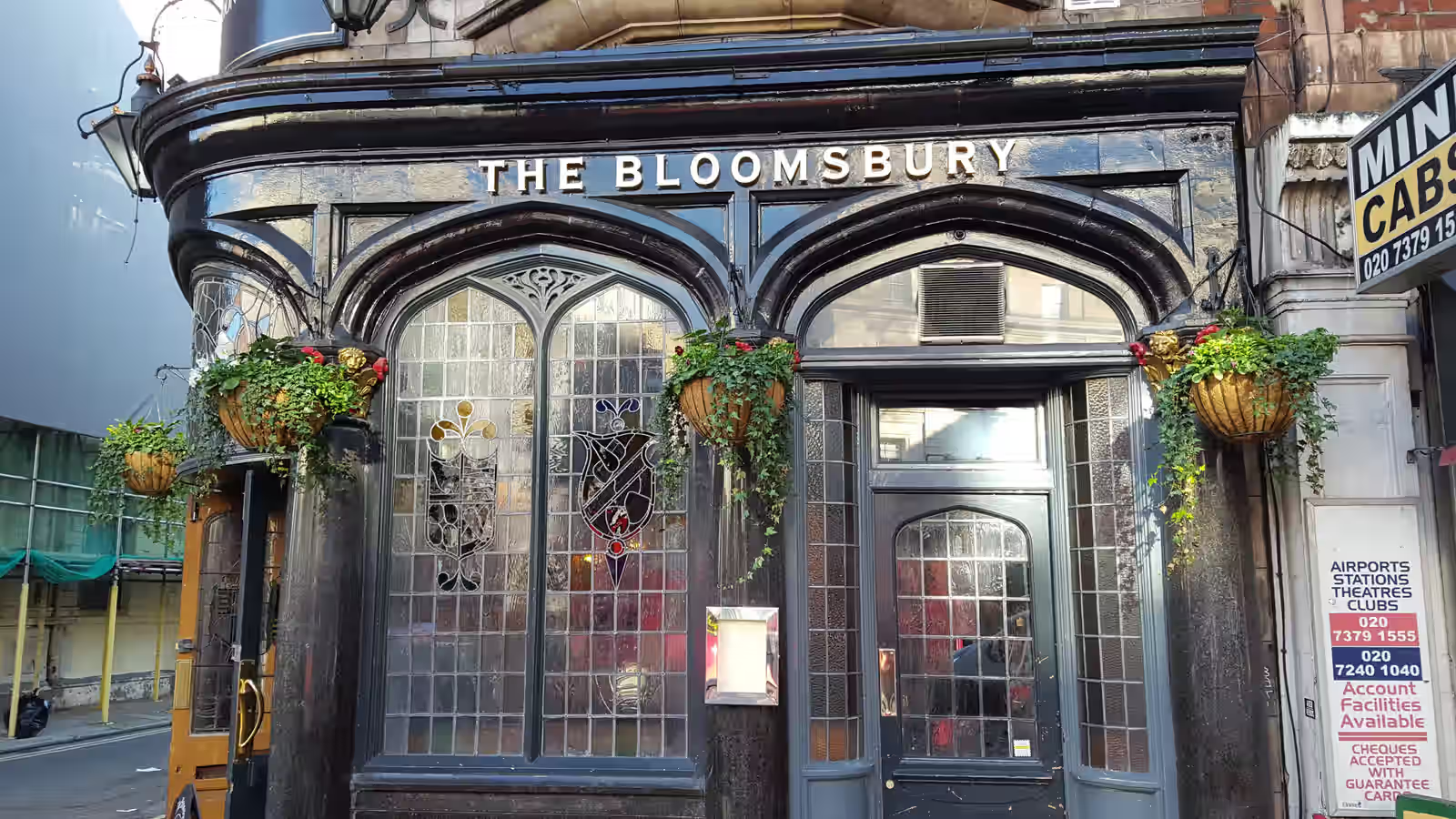
Here we detail the must-see exhibits, how to get tickets and when to come. We’ll also help you plan your time in the surrounding Bloomsbury area.
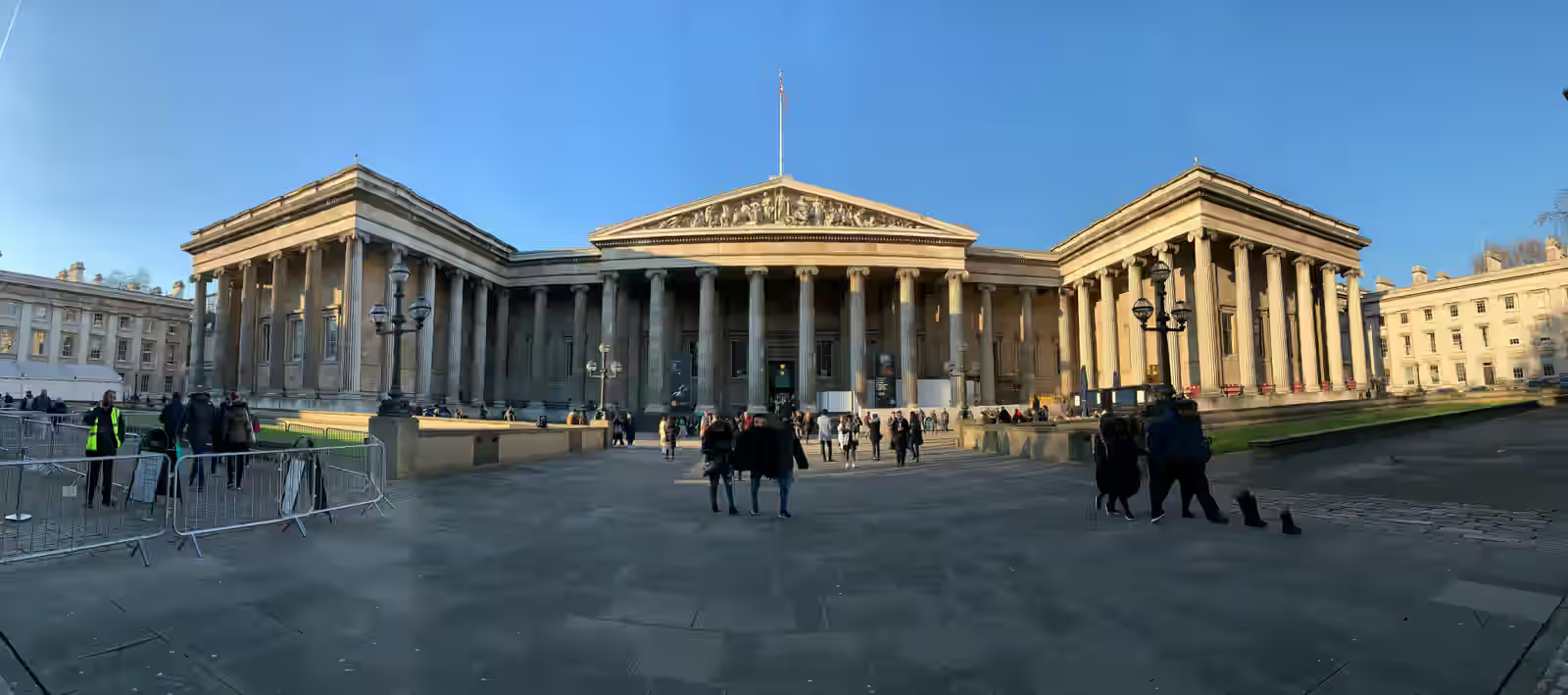
British Museum

A Treasure Trove of World History

The British Museum was founded in 1753 and was opened to the public in 1759. It is the first national public museum in the world, covering all fields of human knowledge and open to visitors from across the globe.

The museum was founded with Enlightenment ideals at its core – promising a critical scrutiny of all assumptions, open debate, scientific research, progress and tolerance. Today, it’s home to 8 million objects that enable you to explore the diversity of human cultures, discover the many human forms of expression, and understand how humans through the ages are interconnected.

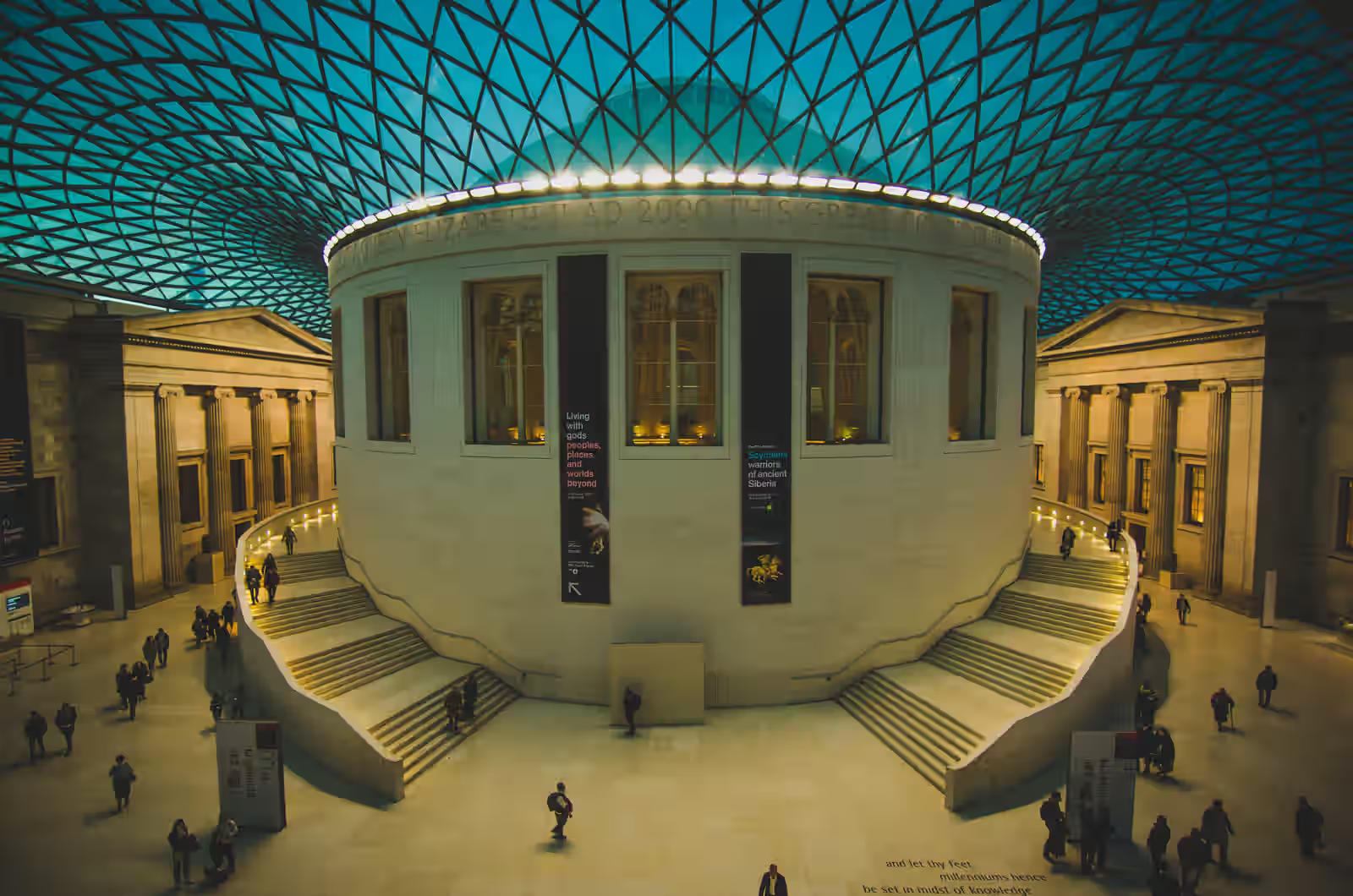
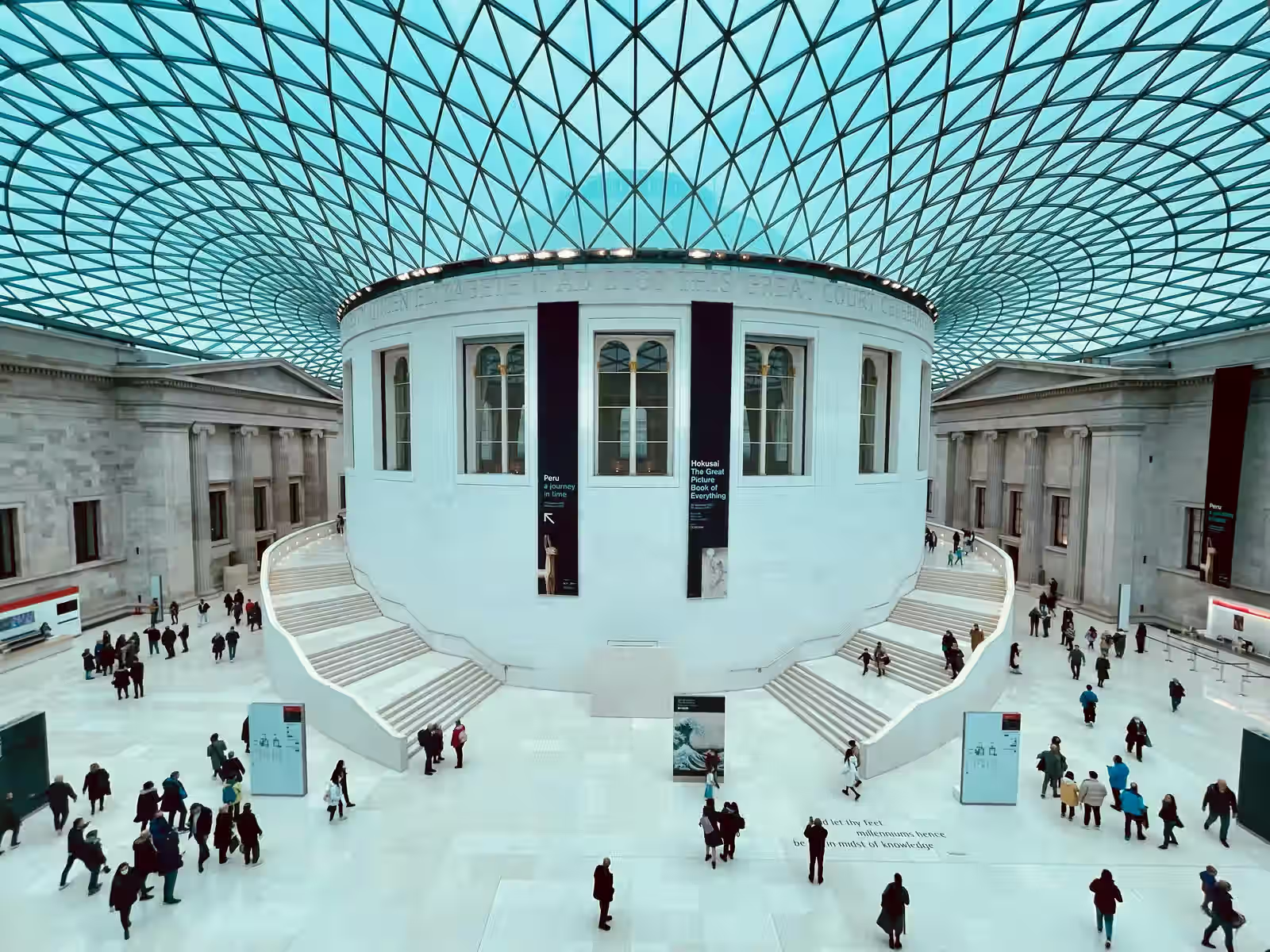
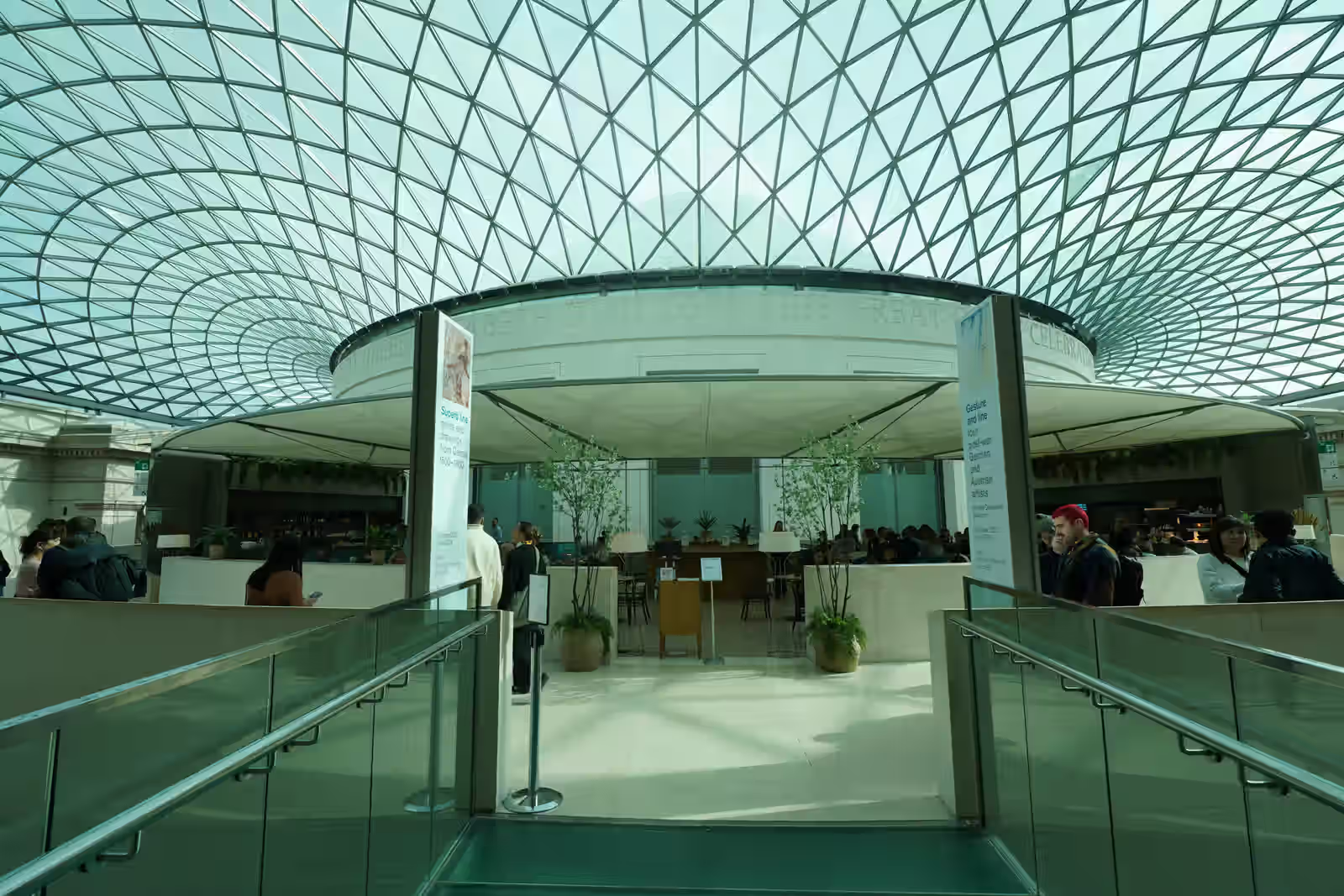
As well as its many artefacts, it’s also home to the stunning Great Court, designed by Norman Foster.

British Museum

Top 5 Must-See Objects for First-Time Visitors

If it’s your first time at the British Museum, or even if you’ve been before, here are five essentials to add to your bucket list.

The British museum

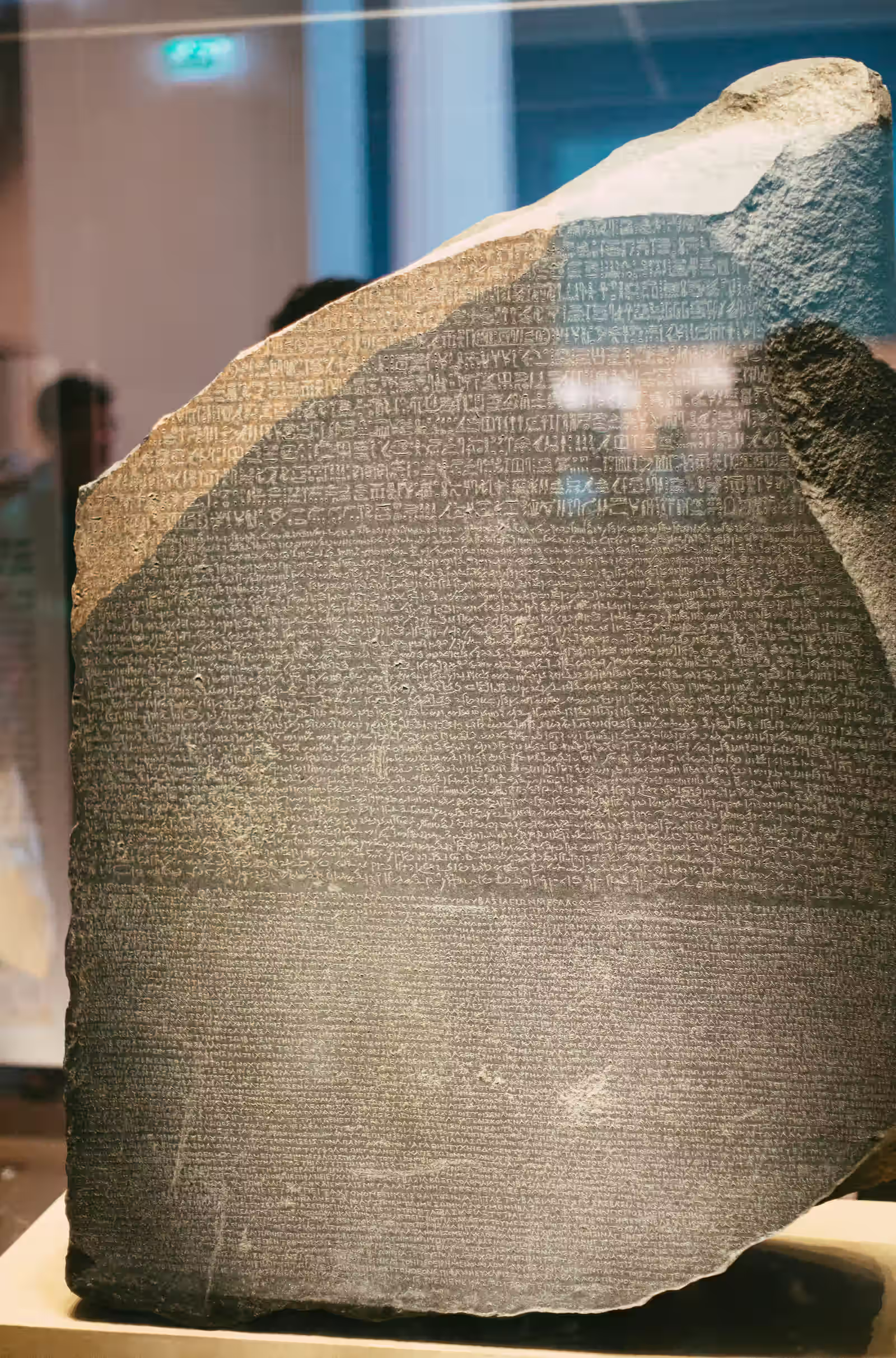
1. The Rosetta Stone

Arguably the most famous treasure in the British Museum. The Rosetta Stone is the key that unlocked ancient Egyptian hieroglyphs.

It was once part of a larger stone slab, with a decree (an official order) carved into it. The interesting thing about the stone isn’t what’s written on it, but the writing used. It features three different types of scripts: hieroglyphs, Demotic (the native Egyptian script used for everyday purposes), and Ancient Greek. Having the three scripts meant that it was used to finally decipher hieroglyphics, unlocking much of ancient Egypt in the process.

You can find the Rosetta Stone in the Egyptian Sculpture Gallery (Room 4) on the ground floor of the museum. It’s available to see for free, along with a range of statues showcasing 3,000 years of ancient Egyptian history. You can also see a replica in the Enlightenment section of the museum (Room 1), which you can even touch.

British Museum

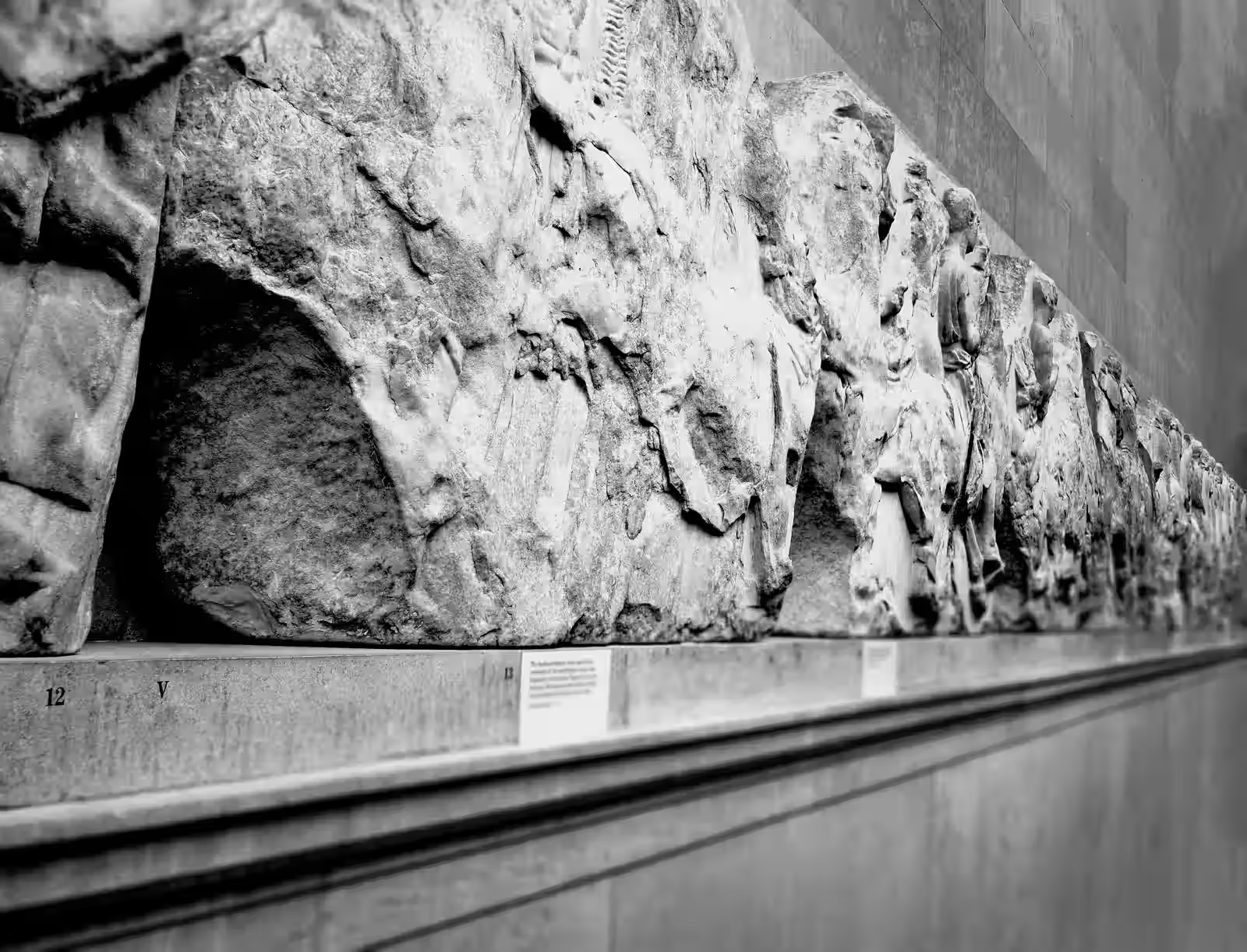
2. The Parthenon Sculptures (Elgin Marbles)

The Elgin Marbles were carved around 2,500 years ago and adorned the Parthenon – a temple on the Acropolis in Athens. The temple itself was dedicated to the goddess Athena Parthénos, the patron deity of Athens.

The sculptures include around half of the surviving Parthenon frieze, which represents the people of Athens in a religious procession, as well as metopes (sculpted panels) and pedimental figures. They were removed by Lord Elgin in the early 1800s.

You can see them in Room 18 of the British Museum, on the ground floor.

British Museum

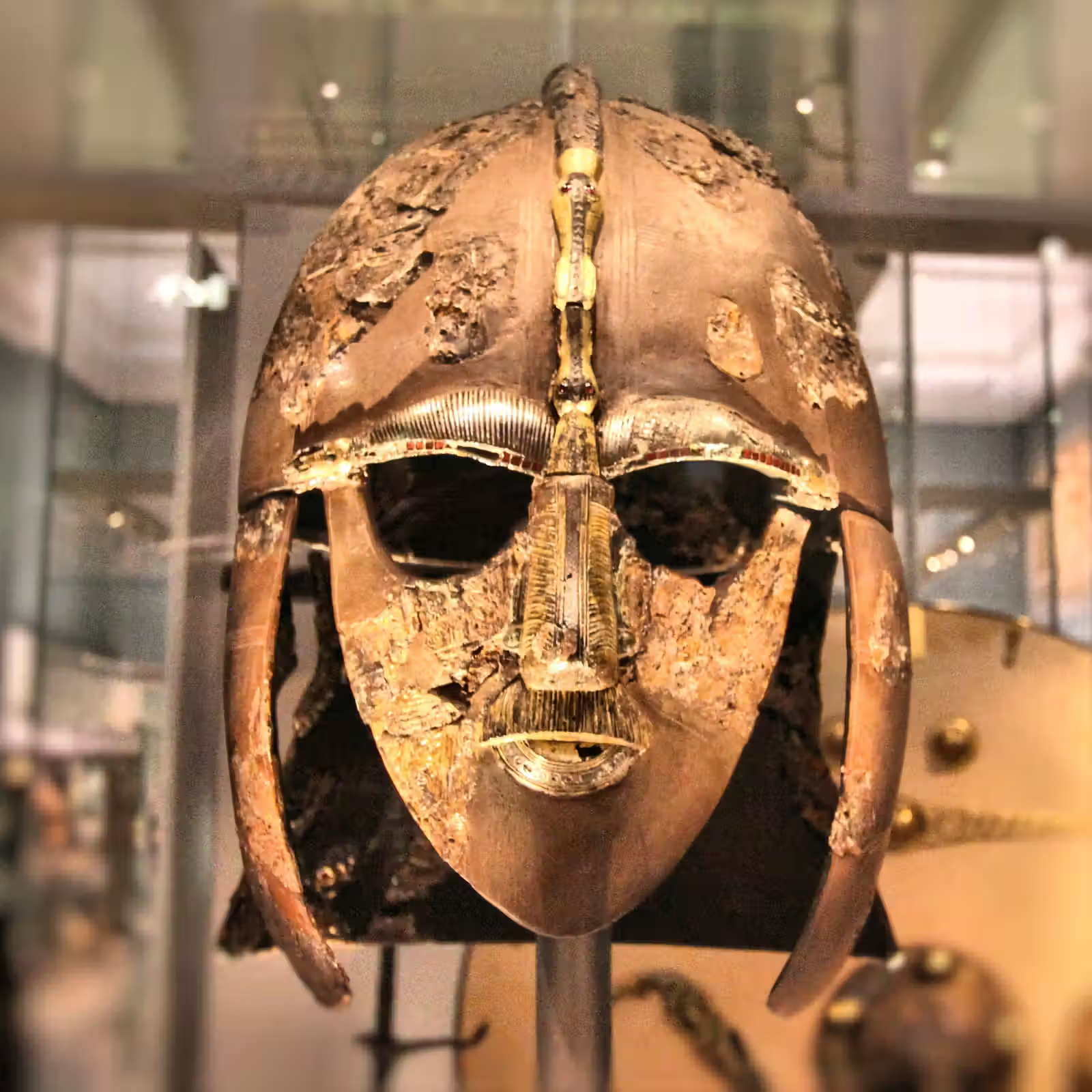
3. Anglo-Saxon Ship Burial at Sutton Hoo

The centrepiece of the Sutton Hoo and Europe section of the museum (Room 41) showcases the famous medieval burial mound at Sutton Hoo. Inside the burial mound was the imprint of a 27-metre-long ship with a burial chamber full of dazzling riches.

The mystery of who was buried there goes on, with this exhibition focusing on the find of amateur archaeologist, Basil Brown, in 1939. You’ll learn the story of the discovery and see the finds from the burial site, including the impressive Sutton Hoo helmet.

British Museum

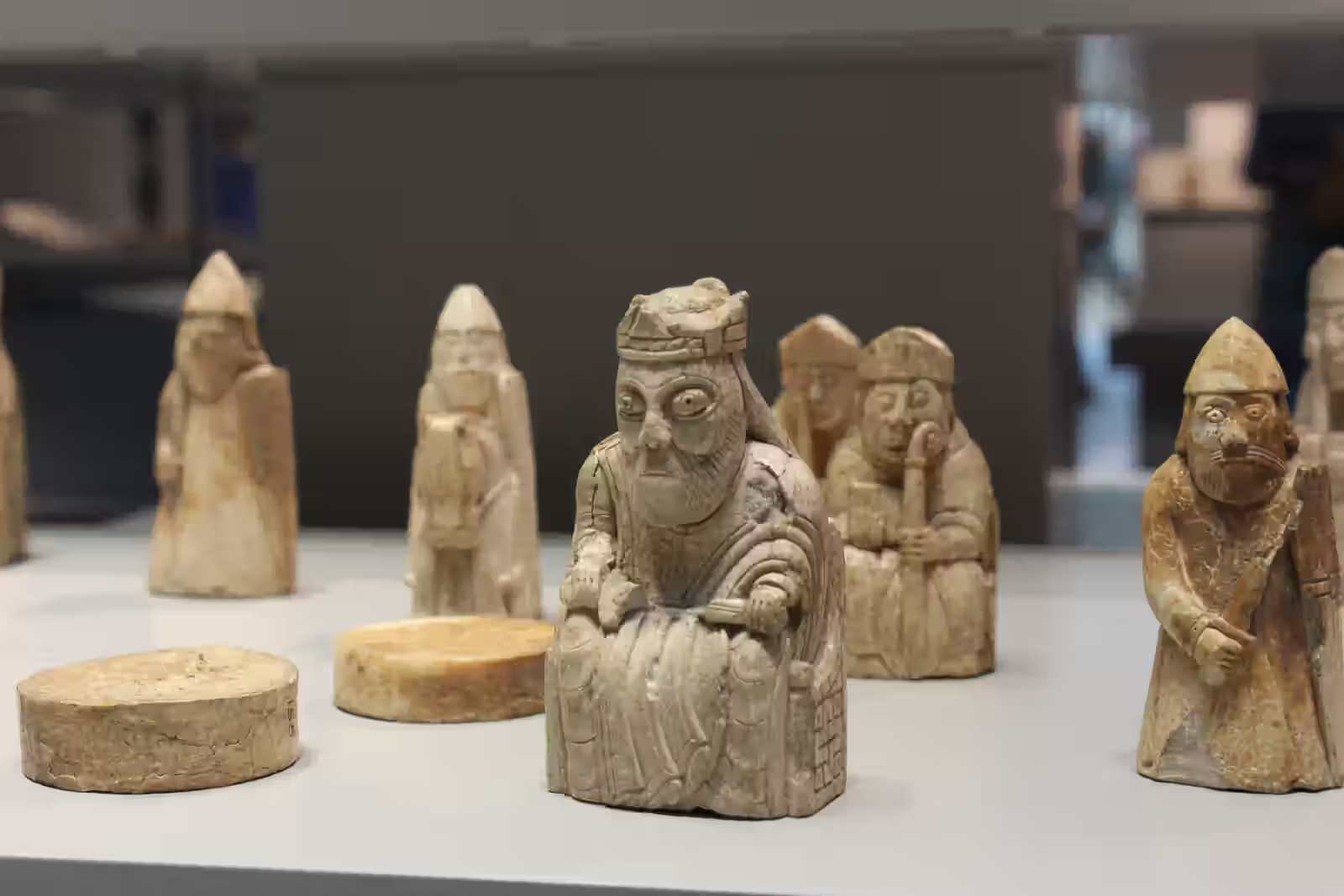
4. The Lewis Chessmen

A total of 78 chess pieces were found in a subterranean chamber in the parish of Uig on the Isle of Lewis in the Outer Hebrides in 1831.

Despite the chessmen being intact and showing hardly any signs of wear, it’s still inconclusive as to exactly where they came from. The form of the chessmen and the decoration on the back of the thrones for the kings, queens and some bishops have led to them being dated from the middle to the end of the 12th century and attributed to either Britian or Scandinavia.

You can see them on display in Room 40 (Medieval Europe), while 11 are also on display in the National Museum of Antiquities of Scotland in Edinburgh.

The British Museum

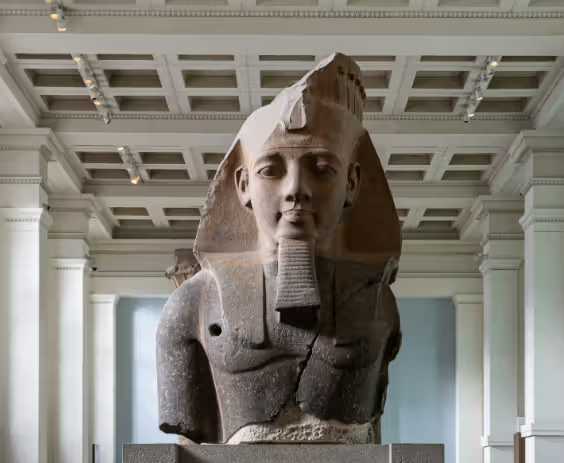
5. The Bust of Ramesses The Great

The huge bust of ancient Egyptian pharaoh, Ramesses II (about 1279–1213 BC), is one of the most popular artefacts at the British Museum.

The bust was once part of a larger statue from the Ramesseum, a temple in Thebes (now called Luxor) built by the pharaoh. The 7.5 tonne bust celebrated his military achievements and close connection with the creator god, Amun-Ra.

This incredible ancient Egyptian object is more than 3,000 years old and represents one of the most powerful pharaohs to ever live. Ramesses the Great was in power for 66 years during Egypt's New Kingdom. He was known for huge building projects and many military triumphs. You’ll find it in Room 4 at the British Museum, the Egyptian Sculpture Gallery.

Planning Your Visit: Tickets, Opening Times and Best Times to Go

General admission to the British Museum is free, which means you get to delve into world history completely free on your trip to London. You’re advised to book a time slot online to guarantee entry, as it can get busy – especially during school holidays. Walk-ins are available, but it’s not guaranteed. The safest thing is to book online first.

You will usually have to pay for special exhibitions. It’s best to book these online in advance at the official British Museum website.

The museum is open daily from 10:00 to 17:00, with a late opening on Fridays until 20:30.

The best time to visit is ideally on a weekday morning to avoid the biggest crowds. The late opening on a Friday is a lovely option for an evening visit.

Getting from Heathrow to the British Museum

It’s simple to get from Heathrow to the British Museum.

  1. Jump on the Heathrow Express from any terminal at the airport to London Paddington. It takes 15 minutes from Heathrow Central station and 21 minutes from Terminal 5 station. It’s the quickest way to get from Heathrow to Central London.

  1. At Paddington, change to the Elizabeth line. Travel eastbound to Tottenham Court Road station. This should take around 10 minutes.

  1. The British Museum is a short 5–10-minute walk from Tottenham Court Road station.

Where to Eat Near the British Museum

If all that delving into the past and learning about ancient history is hungry work, you can grab a bite to eat either in or near the museum. Some of the best options include:

© 2026 Heathrow Express. All rights reserved